All Categories
Featured
Table of Contents
Verifying the growth of AI in the area, a report released by PwC previously this month stated that the use of AI among the workforce in the Middle East continues to increase, with 75 percent of employees in the region utilizing it in their tasks over the previous 12 months.
In November, a report launched by KPMG highlighted Saudi Arabia's progress in the innovation sector and stated that 84 percent of CEOs in the country are prepared to deploy AI properly, well above the 76 percent global standard, supported by the Kingdom's information governance ecosystem, including national efforts led by the Saudi Data and Expert System Authority.
Policymakers are believing holistically about how to make the region appealing, including having more practical laws to permit experimentation and growth," stated the report.
Utilizing GCC Research to Effectively Drive Operational GrowthLeading company leaders, policymakers and financiers from the GCC and Latin America recently explored how countries from the two areas can grow trade between each other in Dubai, UAE.More than 500 local and worldwide policymakers, presidents, CEOs, magnate, financiers, and market professionals went to the very first Global Service Online forum Latin America held at the Atlantis Palm - Dubai.
How to Secure a Competitive Advantage in Dubai
In 2015 the GCC made up of the UAE, Bahrain, Kuwait, Oman, Qatar and Saudi Arabia, imported $11 billion worth of products from Latin America. And exports to Latin America from the area were $5.6 billion, a statement from organisers stated. Both regions rely on each other for vital items.
In 2015 Latin America supplied nearly half the meat imports into the GCC and 36 percent of the region's total sugar imports, it included. Brazil is by far the largest trading partner for nations in the region, followed by Argentina and Mexico. Amongst the Latin American states, the GCC counts on Brazil for meat (generally poultry), Argentina for cereals, Mexico for automobiles and Chile for wood products, said a declaration.
The online forum was organised by the Dubai Chamber of Commerce under the theme "Shifting Synergies", checks out how companies can gain from the changing patterns of global demand and what function Dubai can play in helping with the next action in organization relations. Dubai Chamber takes a pioneering position not only in the UAE and in the GCC but worldwide too, by serving as a details and research centre, by supplying business paperwork, using legal services, assisting in networking chances by means of signature service occasions and providing practically every possible business option, it stated.
GCC growth will strengthen in 2026, led by faster growth in hydrocarbons; non-oil growth will stay strong but sluggish somewhat. Non-oil activity will be supported by population growth, brand-new industries, and public investment; inflation will remain soft, while financial policy will loosen. Hydrocarbons sector growth will accelerate, offsetting in part lower oil prices; fiscal balances will be blended, with surpluses in UAE and Qatar, but deficits continue elsewhere.
Maximising Operational Efficiency through Strategic Market Planning
SHARJAH (WAM) The GCC and wider Middle East region is poised for the next wave of financial investments in AI and tech-led sectors, with business-friendly and innovation-focused government policies bring in funds and skill, said company leaders at the 9th edition of Sharjah Entrepreneurial Celebration (SEF 2026). Throughout a panel discussion on the very first day of SEF 2026 taking a look at "What Does the Next Year of Endeavor Capital Look Like", speakers concurred that the emerging regional investment landscape appears promising.
Utilizing GCC Research to Effectively Drive Operational Growth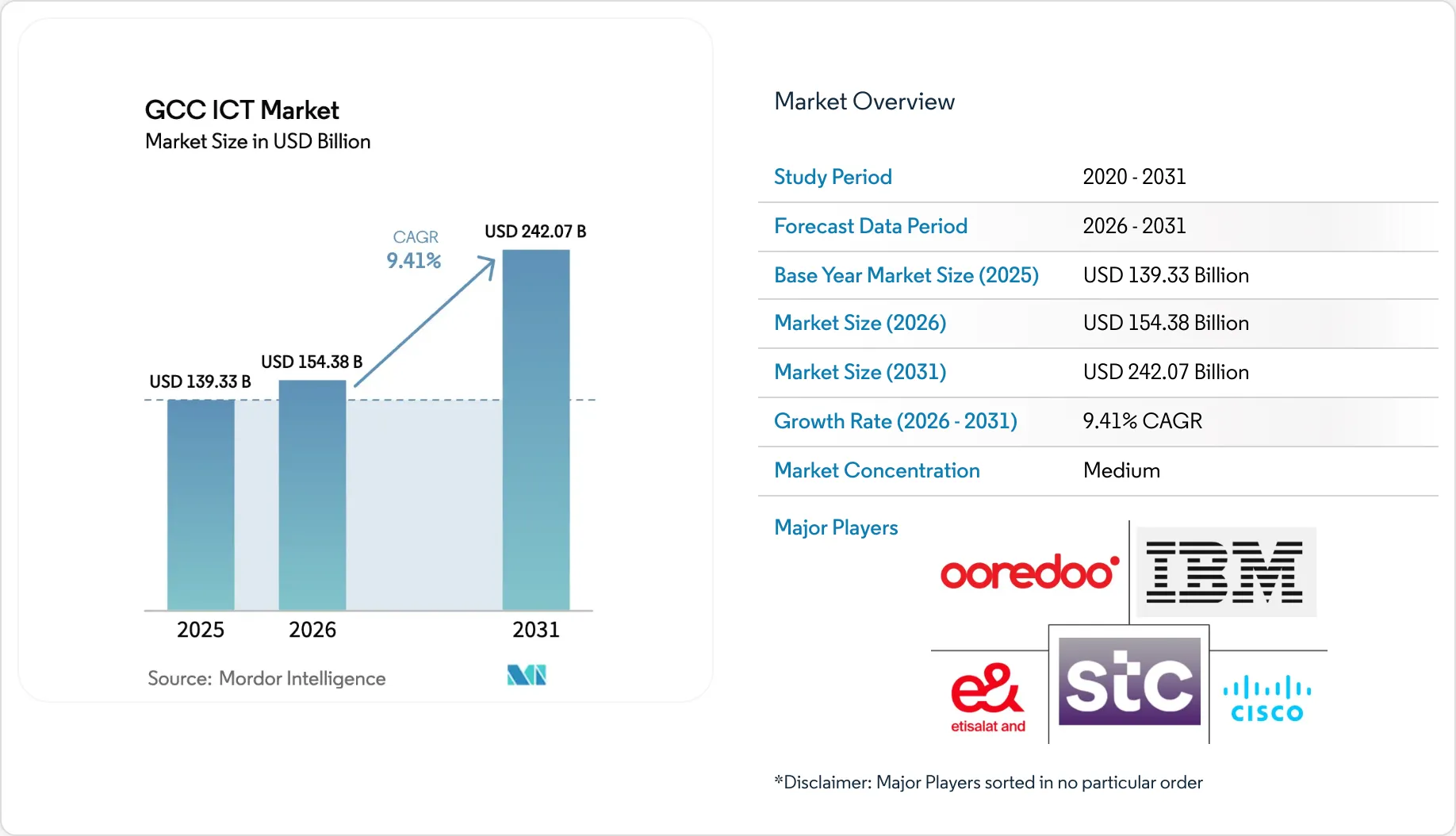
Responding to a question on local startups' prospects of gaining from current financial investments in digital infrastructure, Tala Al Jabri, Creator and Managing Partner of Wyld VC stated: "We have so much opting for us in the area: the low cost of energy, a very progressive government that is ahead in policy, regulation and information personal privacy; and actually strong universities that are significantly taking a look at AI and turning out technical talent in AI."She added: "Our supreme goal is to see this region, specifically the GCC, end up being an AI superpower.
Our most significant motorist today is investing in talent, since in the AI race, it's the technical talent that actually wins."Concentrating on the appearance of the region for investors, Christos Mastoras, Creator and Managing Partner of Iliad Partners, stated: "I think we are really lucky to onboard the three largest banks of Greece as LPs [Limited Partners] for investment in the area.
"International development funds are being available in, which reveals clear indications of maturity of the ecosystem The capability of the UAE and local federal governments to draw in talent; their innovation-first method, abundance of capital here along with inflow globally are the key building blocks."Paula Tavangar, Chief Investment Officer at Injaz Capital said that within the region, Saudi Arabia is leading the variety of handle the highest values, with 250 "biggest ticket size" deals tape-recorded in 2025 in the nation.

Latest Posts
Navigating the 2026 GCC Business Environment for Leaders
How Future-Focused Strategy Reshapes the Regional Economy
How Does Business Excellence Crucial for Future Growth?