All Categories
Featured
Table of Contents
8 On the innovation front, Latin American agritech startups are working together with Gulf partners to pilot precision-irrigation and climate-smart farming technologies in desert farms. 9 The Gulf's push to move beyond oil has actually turned into one of the world's most ambitious diversification efforts. Through sweeping reform plans, from Saudi Vision 2030 to Oman Vision 2040 and Abu Dhabi Vision 2030,10 Middle Eastern federal governments are steering trillions towards tidy energy and industrial change, with sovereign wealth funds leading the charge.
Specific Gulf investors are doing so by taking strategic minority stakes in Latin American metals business, securing exposure to ever-increasingly essential resources like copper and nickel. 13 Others are releasing substantial capital into Brazil's growing biofuels and low-carbon fuels sector, showing strong interest in next-generation energy options. 14 This includes collaborative financial investment frameworks with local governments to develop and improve mineral-supply chains that support the global energy shift.
The Shift Toward Outcome-Based Outsourcing in the GCC16 Long-term plans for lower-carbon fuel supply, including multi-year LNG agreements, are additional anchoring Gulf participation in the regional energy environment. 17 At the very same time, investors are actively examining opportunities in the area's lithium jobs, which are main to broader energy-transition techniques. 18 Latin America has ended up being a proving ground for fintech development.
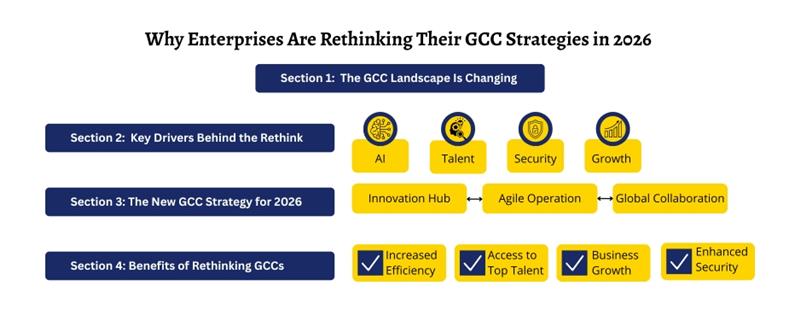
Leading Operational Excellence in the 2026 GCC
19 Middle Eastern federal governments are intent on closing this space: Saudi Arabia's Fintech Saudi effort has actually presented sandboxes, licensing regimes, accelerators, and an open banking method under Vision 2030.20 Bahrain adopted open banking in 2019, while the UAE, Egypt, and Qatar are all likewise advancing fintech-focused strategies. 21Against that backdrop, Middle Eastern investors are turning to Latin America's fintech landscape.
22 Others have increased their exposure to leading Latin American fintech platforms, including digital-banking and multi-service monetary applications that integrate payments, financing, and customer services. 23 Taken together, these endeavors reflect a practical exchange: capital from the Gulf fulfilling the digital experimentation of Latin America. Latin America's facilities space remains one of its biggest advancement difficulties.
24 This shortage has unlocked for long-lasting foreign partners, consisting of financiers from the Middle East. For its part, a leading UAE-based port and logistics group has actually ended up being an essential regional gamer, committing significant capital to broaden port and terminal capacity in Peru, Ecuador, and the Dominican Republic, enhancing free-trade-zone facilities and consolidating logistics hubs throughout both the Caribbean and the Pacific coast of South America.
26 Finally, Mexico's energy sector in specific has actually seen leading Gulf energy companies sign cooperation structures with national oil business to examine upstream potential customers and explore joint opportunities in midstream and power-related infrastructure. 27 Energies and water-infrastructure groups have likewise obtained stakes in major international water-management business that run large-scale desalination properties in Mexico, reflecting growing interest in durable water services.
Indeed, the area has actually seen a suite of policy and regulative shifts that could have financial ramifications on investments in the region: For its part, Argentina is pursuing one of the region's most extensive liberalization programs in decades. Considering that taking office in late 2023, President Javier Milei has actually dismantled rate controls, reduced subsidies, and dedicated to removing capital constraints by 2025.
Ways to Optimize Middle East Business Planning
29In Brazil, regulative complexity stays the primary difficulty. The long-awaited 2023 tax reform created to combine 5 indirect taxes into a combined VAT is expected to streamline compliance and decrease cascading effects once carried out, however shift guidelines across federal, state, and community levels will remain intricate for several years. Sector-specific ownership limits and public-procurement preferences continue to require regional partnerships and may posture compliance threats.
Executive-driven reforms in energy, tax, and ecological guideline have altered the operating environment with minimal legal oversight. The federal government's efforts to centralize control over energy regulators, mark mining zones as safeguarded, and enforce new levies on hydrocarbons have created threats for financiers. 31 Moreover, security dangers have increased and threaten the practicality of particular tasks.
Nearing the conclusion of President Gabriel Boric's federal government in Chile, the country's administrative delays remain a crucial friction point. 32Finally, Mexico provides a different threat profile. A substantial rise in foreign financial investment (mainly driven by nearshoring into The United States and Canada and the market-friendly policies of the 2010s) is now clashing with a policy shift towards higher State control in essential sectors such as mining and energy.
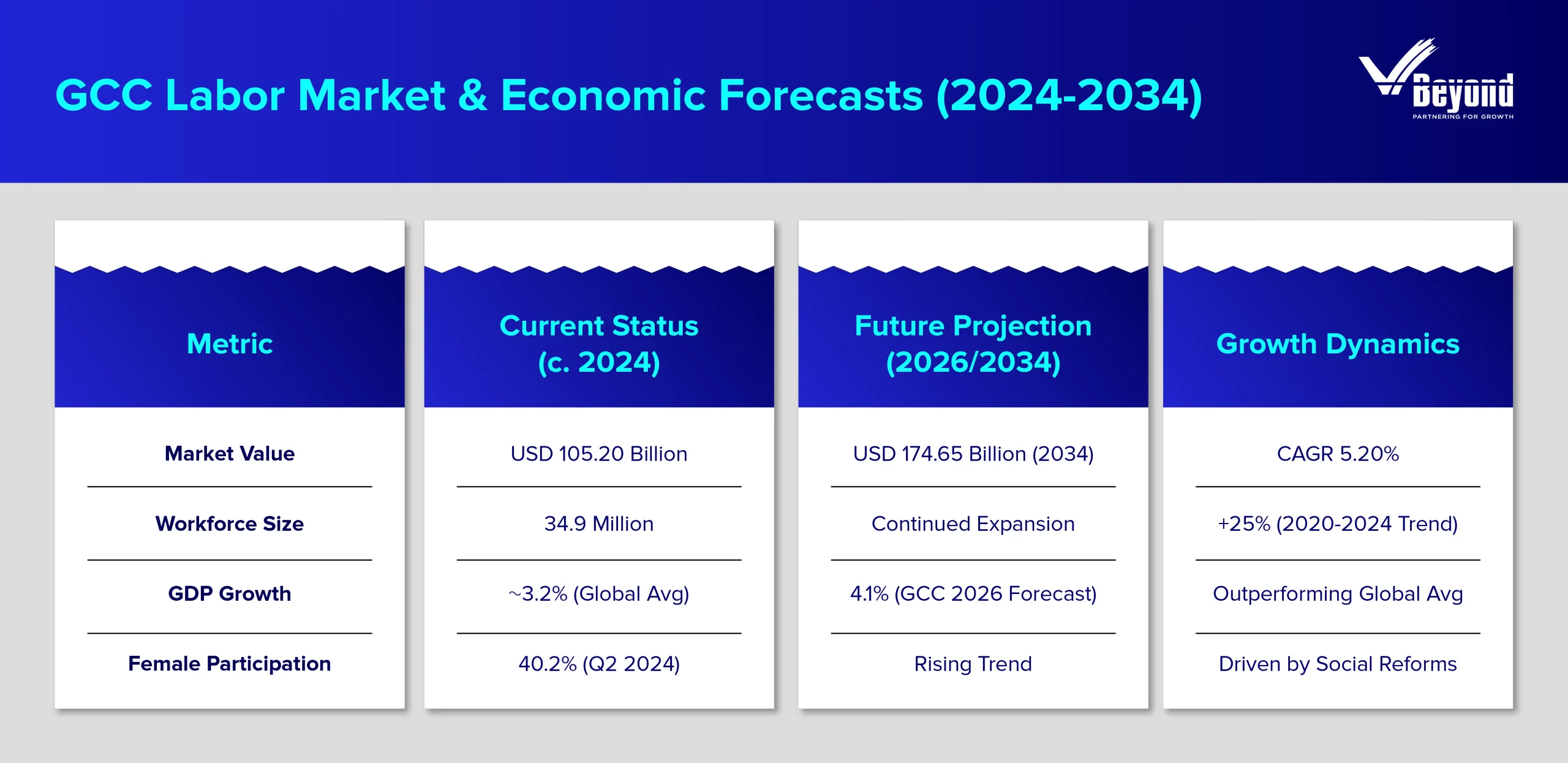
Forward-Thinking Operational Models for 2026 Markets
34 On the other hand, in the mining sector, the Federal government has enacted reforms that tighten up permitting and concession terms, enforce new environmental and water-use requirements, and supposedly broaden government discretion vis-- vis existing rights. 35 In addition, numerous agencies have issued pretextual steps to terminate concessions or have actually neglected long-standing standards and administrative practices, including in the assessment of taxes and charges.

Latest Posts
Navigating the 2026 GCC Business Environment for Leaders
How Future-Focused Strategy Reshapes the Regional Economy
How Does Business Excellence Crucial for Future Growth?