All Categories
Featured
Table of Contents
Organization news and financial news, analysis, viewpoint and data covering the 6 Gulf Corporation Council members Bahrain, Kuwait, Oman, Qatar, Saudi Arabia and the UAE
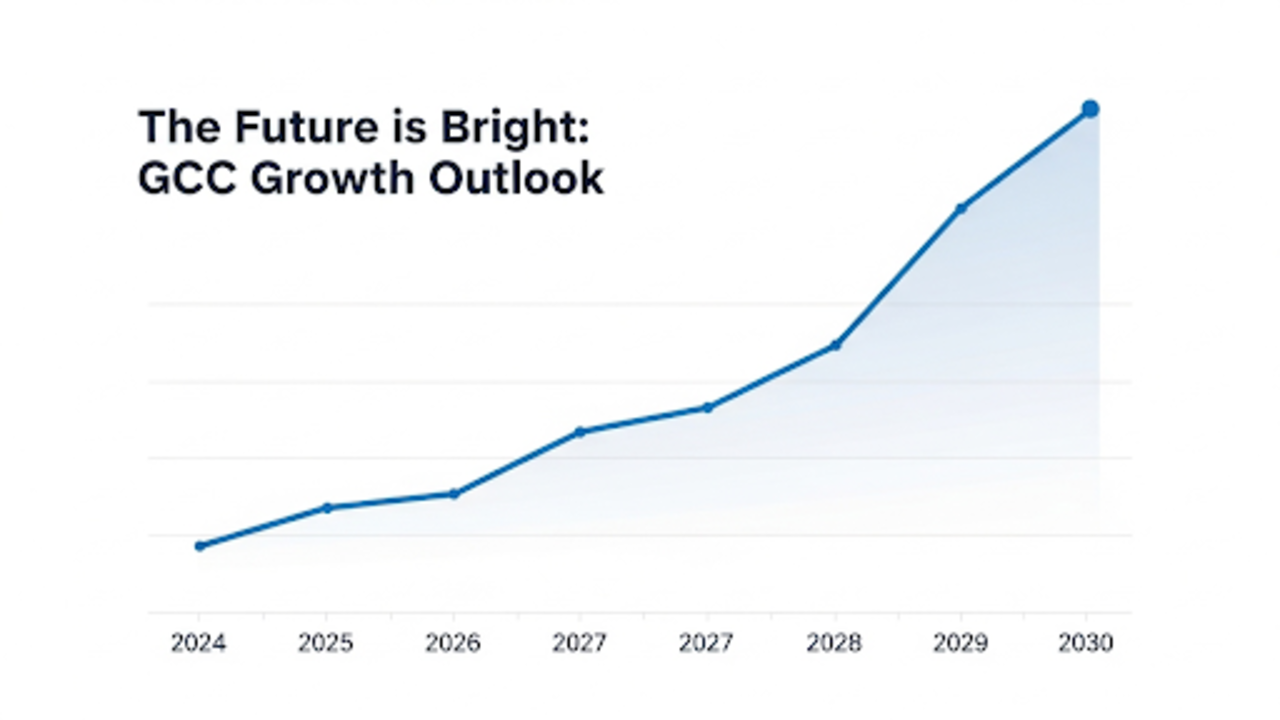
Economic development across the Gulf Cooperation Council (GCC) is set to speed up in 2026, with the area projected to outshine its 2025 efficiency despite soft oil earnings and continuous global uncertainties. According to a new Oxford Economics research study rundown, GCC GDP development is anticipated to rise to 4.4 per cent in 2026, up from 4 per cent in 2025, showing a resilient nonenergy sector, strong customer characteristics, and gradually improving oil output.
But the most recent forecasts recommend that Gulf economies are now wellpositioned to gain back momentum, buoyed by enhancing domestic demand and a broadly stable international background. The report highlights GCC customers as a major motorist of the area's financial performance heading into next year. Low inflation, robust labour markets, and growing real disposable earnings are anticipated to fuel a surge in customer spending throughout the Gulf.
Taking Full Advantage Of Efficiency Through Selective Outsourcing in 2026Credit growth is likewise forecast to remain raised as access to financial services widens. With GCC reserve banks anticipated to follow awaited US Federal Reserve rate cuts due to the area's dollar pegs, obtaining expenses are most likely to decline, offering families and businesses even more incentive to invest and invest. While the nonoil sector continues to anchor the region's durability, the GCC's hydrocarbon outlook provides a combined picture.
Driving Regional Corporate Expansion through Strategy
This might weigh on firsthalf growth, especially for economies more depending on oil extraction. Nevertheless, Oxford Economics projects a rebound later on in 2026, with Opec+ members anticipated to resume raising production as inventories tighten and international demand enhances. Qatar, on the other hand, sticks out as a regional outperformer, with considerable expansions in gas production and exports anticipated to lift its general financial efficiency.
Saudi Arabia's 2026 budget plan expects a 6 percent cut in capital expense as the kingdom intends to narrow its financial deficit by 2 portion points. The report keeps in mind that these cuts may not materialise totally if countercyclical costs measures are triggered to support development. By contrast, more varied economies such as the UAE and Qatar are anticipated to continue advancing their advancement agendas.
Despite shortterm risks connected to oil prices and international need, the GCC's 2026 financial outlook is defined by strength in principles: resistant customers, robust nonenergy sectors, enhancing oil characteristics, and tactical financial preparation. With these elements lining up, the region is getting ready for among its most well balanced periods of growth over the last few years anchored by a clear upward trajectory in GDP development.
Driving Dubai Corporate Growth through Innovation
RIYADH: Gulf Cooperation Council local economies are expected to stay resilient in 2026, driven by strong domestic demand and a broadly steady international economy, according to an analysis. In its newest report, Oxford Economics highlighted that the real gross domestic item of the GCC area is expected to expand by 4.4 percent in 2026, up from the predicted 4 percent this year.
We expect GCC development will increase to 4.4 percent in 2026, from 4 percent this year."In November, the GCC Statistical Center said that economic growth in the area is set to accelerate to 4.3 percent by 2027, driven by expanding non-oil sectors.

Non-oil activities accounted for 73.2 percent of overall GDP, up from 70.6 percent at the end of 2024, highlighting the area's continued progress toward diversity. According to Oxford Economics, GCC customers will be standout performers in 2026 and are expected to exceed their international peers.
In December, the IMF further said that headline inflation is expected to stay listed below 2 percent in Bahrain, Oman, and Qatar, near to 2 percent in the Kingdom and the UAE, and somewhat above 2 percent in Kuwait in 20252026. According to Oxford Economics, credit growth is anticipated to stay raised in the GCC area throughout 2026, as access to monetary services is expected to grow and loaning is projected to be supported by more cuts in rate of interest."Owing to their currency pegs to the United States dollar, GCC main banks are anticipated to follow the United States Federal Reserve by reducing financial policy further, which in turn will lower financial obligation servicing costs and enhance non reusable earnings and need," said the report.

Latest Posts
Navigating the 2026 GCC Business Environment for Leaders
How Future-Focused Strategy Reshapes the Regional Economy
How Does Business Excellence Crucial for Future Growth?