All Categories
Featured
Table of Contents
Key challenges consist of identifying and handling these risks efficiently, balancing staff member needs with compliance, and adapting MTC guidelines for safe and cost-efficient movement. If managed well, remote work can be a tactical advantage for multinationals, offering operational continuity and access to skill.
Words by Kevin McKenna, Elder Consultant, EMIR Mirages frequently deceive the eye in the desert, promising water and relief where there is none. The Middle East, at the moment, can appear intimidating to international organization leaders who incorrectly look at it as one uniform bloc. However unlike mirages, and regardless of geopolitical stress in the wider region, the Gulf Co-Operation Council (GCC) economies' capacity is no illusion.
Why AI Shift Will Drive Growth?
Many regional leaders of international business still have a hard time to unshackle themselves from misunderstandings and biases held by a global HQ that often looks at the Middle East through a narrow keyhole. Global budget holders' frequently misguided perspectives can result in missed out on opportunities and hinder growth. With over a decade of experience advising regional magnate in the Middle East, I've seen how critical it is to make the case for the area by concentrating on these 5 basic actions.
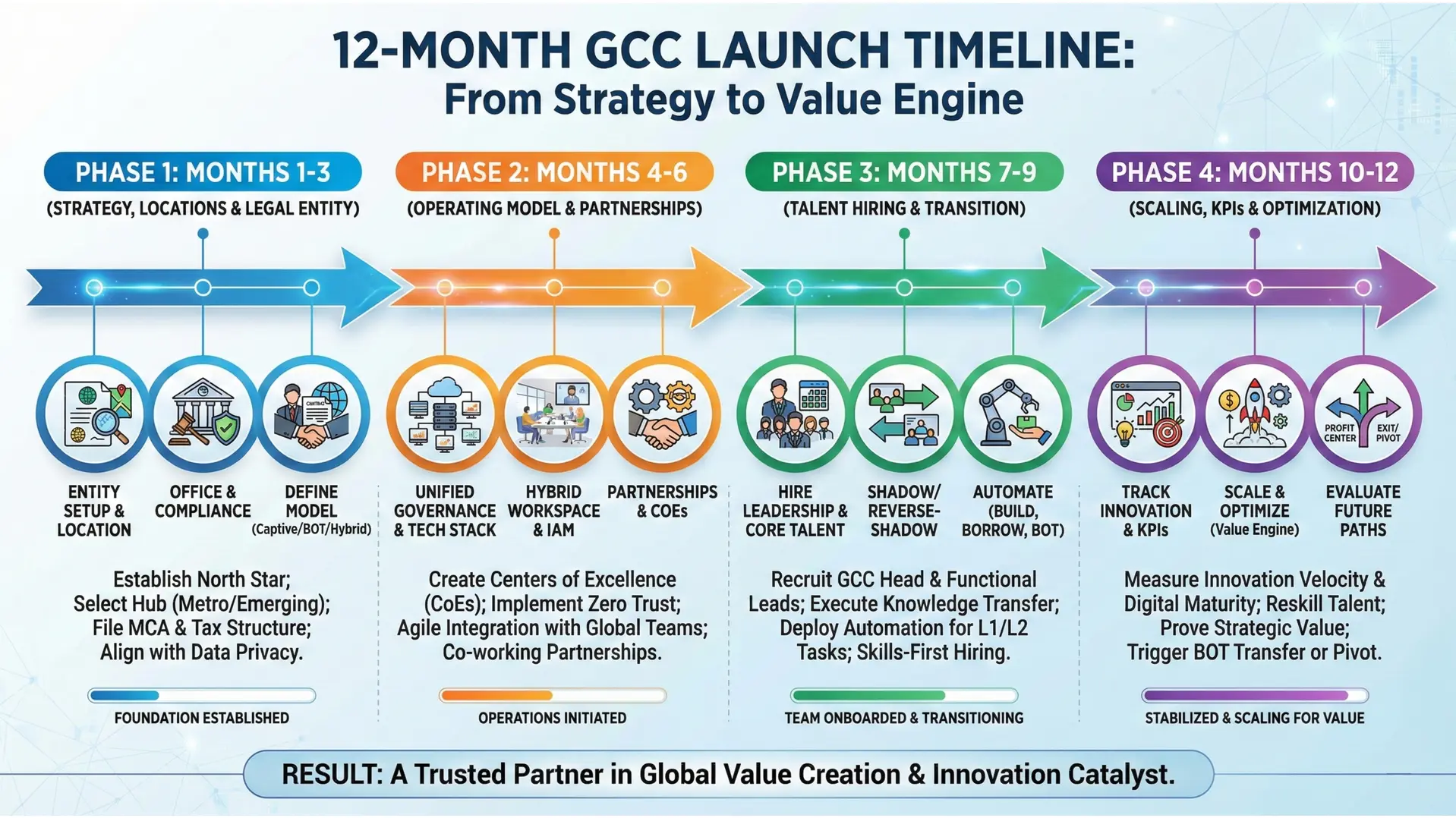
This location likewise operates really in a different way from our domestic market, so do not expect the same linear paths to growth and timelines." This method needs robust preparation, clear communication, a deep regional network and an abundant understanding of the regional business environment due to the fact that, ultimately, you have to provide on that assured growth.
By dispelling misconceptions and engaging proactively, local CEOs can open the region's true capacity, transforming perceived mirages into an oasis of opportunities waiting to be discovered.
Set up a session with our experts to check out how YCP can assist you in addressing your service obstacles.
Structure Commitment in the UAE's Short-term Talent MarketConcerning Israel's questionable policies of limiting humanitarian aid into Gaza, the Trump administration has followed Netanyahu's lead.
Key Benefits of Operational Excellence for 2026
Taken together, these policies show 2 linked components of the Trump administration's method to Gaza: a deference to Prime Minister Netanyahu's choices and a deprioritization of humanitarian needs. The administration has not pressed back on the Israeli federal government's plans to occupy Gaza City and by force evacuate Palestinians into a smaller sized area of Gaza.
He consequently published on social media that the only method to get captives out of Gaza is when Hamas is "challenged and ruined," apparently using implied assistance for Israel's broadening operations. Meanwhile, the Trump administration's complacent approach to Gaza's aggravating humanitarian situationmarked by a formal declaration of starvation in parts of Gazaunderscores the devastating effect of its submission to the Israeli federal government's refusal to provide sufficient help to the besieged area. They can best be recorded by unloading how Israel and Saudi Arabiaeach with strong ties to the United Stateshave reacted. Not surprisingly, their responses vary substantially in all three cases. Their reactions likewise reflect the growing disparity between these 2 regional powers as they pursue widely varying methods for how to shape the Middle East's emerging order.
It has actually signaled a desire to utilize force whenever and wherever threats develop. This determination has equated into ever-bolder military interventions across the region that have redrawn the Middle East's balance of power. Israel has actually not equated these military gains into sustaining strategic wins. For Saudi Arabiathe Arab world's current center of gravitythe necessary for economic diversification has actually sustained a drive to de-escalate stress in the area, a push for post-conflict stabilization in the Levant, and goals to construct out commercial and trade ties across the Middle East and beyond.
Middle East Business News for Growth Realities
Similar to Israel, nevertheless, whether and how Saudi Arabia equates its expanding take advantage of into long lasting tactical gains remains to be seen. Israel was highly supportive of the U.S. strikes on Iranian nuclear centers. For years and across numerous U.S. administrations, Prime Minister Netanyahu looked for U.S. assistance for and involvement in strikes on Iranian nuclear centers.
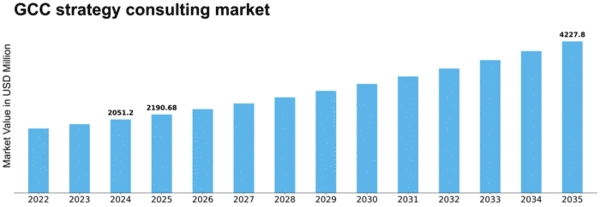
Israel has made clear that it will strike Iran againideally with U.S. supportin either situation. Missing a clear U.S. "red light" opposing further Israeli military intervention in Iran, possibly paired with a U.S.Increasingly, the Gulf views Israel, not Iran, as the primary threat to regional stability.

Latest Posts
Navigating the 2026 GCC Business Environment for Leaders
How Future-Focused Strategy Reshapes the Regional Economy
How Does Business Excellence Crucial for Future Growth?