All Categories
Featured
The production sector in Dubai contributes considerably to the emirate's financial diversification strategy, moving far from oil dependence towards a knowledge-based economy. Based upon our experience working with many production business, Dubai uses exceptional benefits for industrial operations in the region. Manufacturing contributes approximately 12% to Dubai's GDP Over 4,000 manufacturing business operate across different complimentary zones The food and drink sector alone is forecasted to reach USD 23.2 billion by 2025 Dubai Industrial City hosts more than 500 production business JAFZA (Jebel Ali Free Zone) accommodates over 10,700 organizations from 100+ nations The food and drink sector represents the fastest-growing sector within Dubai's production industry.
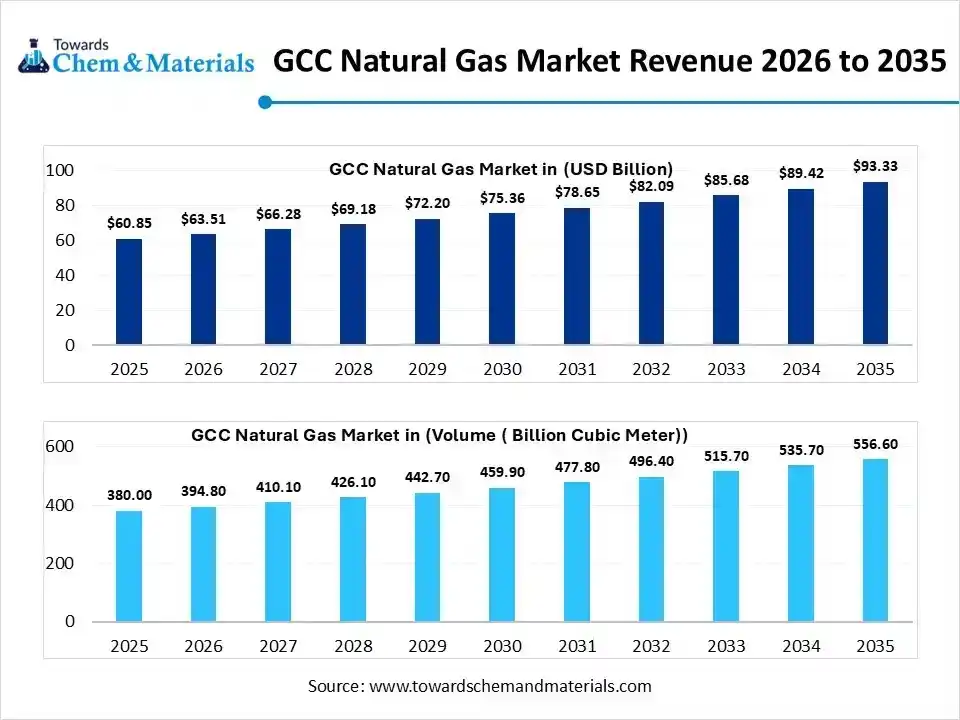
Dubai's automotive manufacturing sector has experienced significant growth, especially in: Car assembly and parts making Marine equipment production Air travel components making Electric automobile facilities development Specialized zones like Dubai Car Zone provide devoted centers for automobile producers. The electronic devices sector gain from Dubai's position as a technology center, with production activities including: Consumer electronics assembly Telecom devices production Photovoltaic panel and eco-friendly energy components Smart city technology production Dubai's textile manufacturing market serves both regional and global markets, focusing on: High-quality material production Style and apparel manufacturing Technical fabrics for industrial applications Sustainable and environmentally friendly textile production The pharmaceutical production sector has gained significant momentum, driven by: Growing regional health care demands Government support for regional pharmaceutical production Advanced quality assurance and regulatory compliance Export opportunities to neighboring markets JAFZA remains the premier destination for producing business, offering: 100% foreign ownership No corporate and individual earnings taxes Complete repatriation of capital and profits Access to over 3.5 billion consumers within a 4-hour flight radius First-rate port and logistics centers Based upon our experience, JAFZA supplies the most detailed infrastructure for massive production operations.
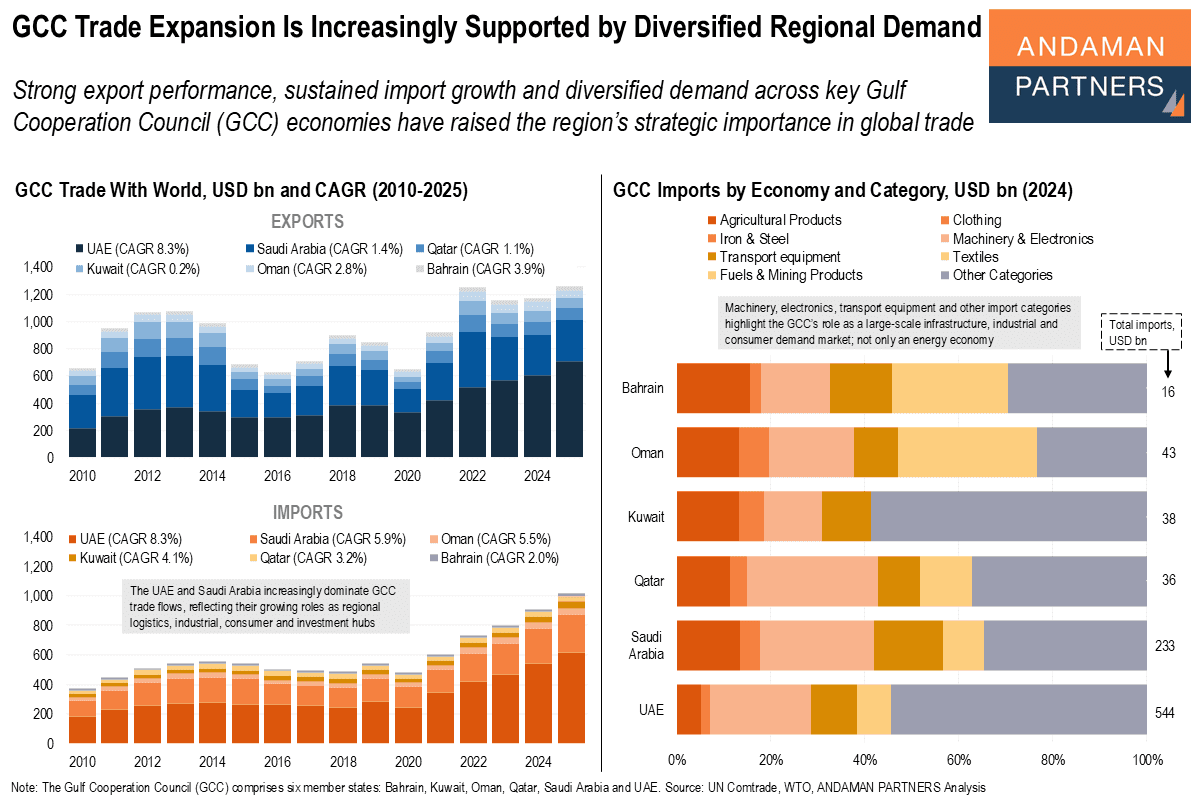
Increasing competition from regional production hubs Need for constant development and efficiency enhancements Price pressures from low-priced production countries Quality and compliance requirements Experienced labor availability and retention Rising operational costs Supply chain disruptions Regulatory compliance intricacy Based on existing trends and federal government initiatives, Dubai's manufacturing sector is projected to: Attain 15% yearly development in key sectors by 2025 Increase manufacturing's GDP contribution to 20% by 2030 Develop over 100,000 brand-new jobs in the manufacturing sector Bring in USD 10 billion in new production financial investments Advanced producing technologies (3D printing, robotics) Sustainable and green production procedures Biotechnology and pharmaceutical manufacturing Space technology and satellite production Dubai's long-lasting vision includes: Becoming an international manufacturing center for high-tech markets Attaining 100% renewable energy in manufacturing by 2050 Establishing Dubai as a center for circular economy practices Producing a knowledge-based production environment Dubai provides tactical place, first-rate facilities, business-friendly regulations, tax rewards, and access to global markets.

Latest Posts
Navigating the 2026 GCC Business Environment for Leaders
How Future-Focused Strategy Reshapes the Regional Economy
How Does Business Excellence Crucial for Future Growth?